Image via Magnific
Article courtesy of Stephanie at https://mylifeboost.com/
Manage Cognitive Overload While Living With a Mental Health Disorder Using This Guide
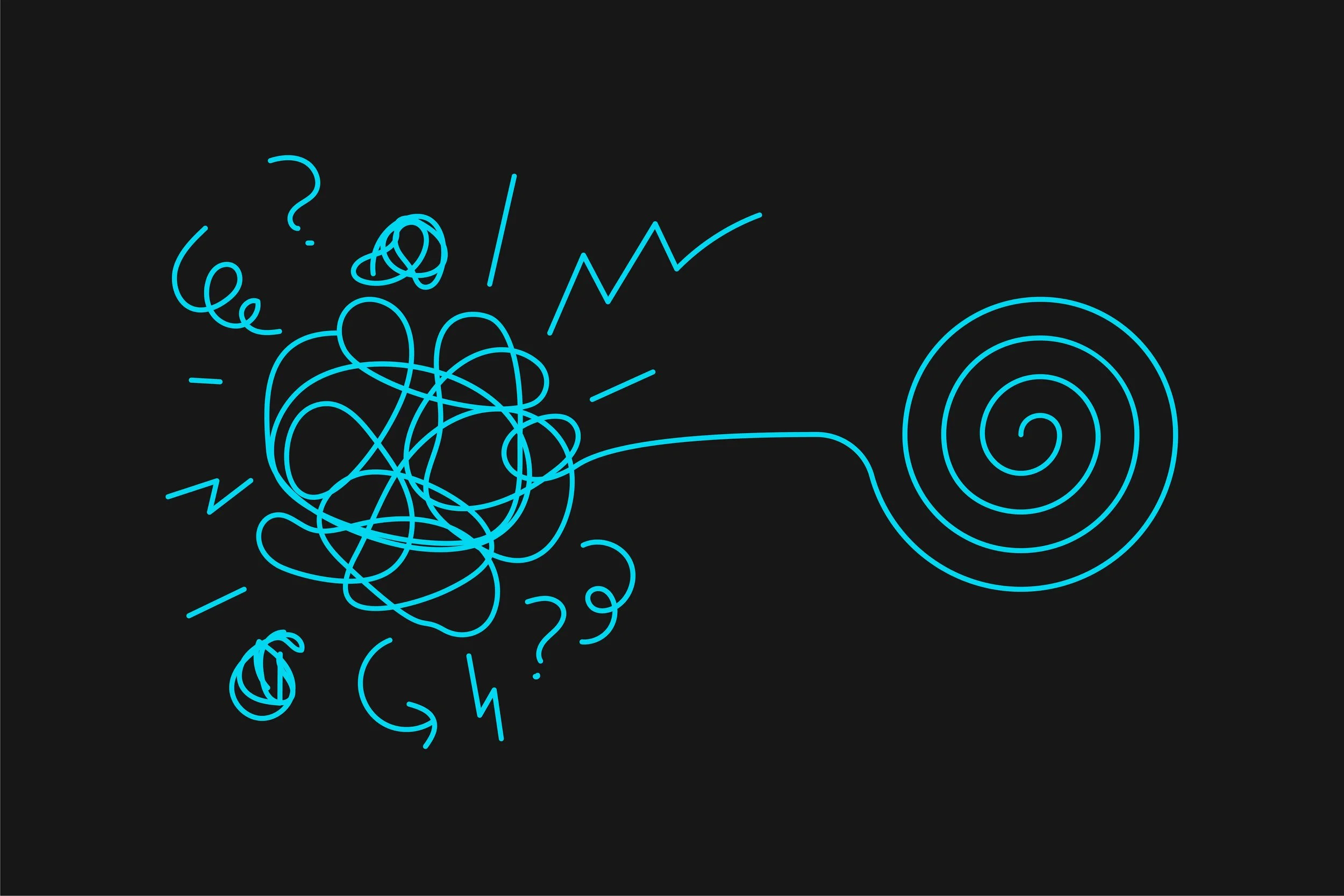
People living with mental health challenges, neurodiversity, or high stress levels often experience cognitive overload — a state where the brain feels flooded with too much information, too many demands, or too many decisions at once. This can affect memory, focus, organization, and the ability to complete everyday tasks.
When your mind is overloaded, even simple routines like paying bills, replying to messages, or preparing meals can feel exhausting. The good news is that structured systems and small, practical tools can significantly reduce overwhelm and support independence.
A Quick Overview
● Cognitive overload can affect memory, attention, and task completion.
● Mental health conditions, neurodivergence, and chronic stress increase vulnerability.
● External structure reduces pressure on working memory.
● Small routines are more effective than dramatic life overhauls.
● Person-centred psychological support can help tailor systems that actually work in real life.
How Cognitive Overload Shows Up
Cognitive overload is not a personal failure. It is a neurological response to excessive demand.
For many Australians experiencing anxiety, depression, ADHD, autism, PTSD, or burnout, common challenges include:
● Forgetting appointments or commitments
● Difficulty starting or finishing tasks
● Losing track of items
● Struggling to prioritize
● Feeling mentally “frozen” when faced with multiple decisions
Working memory — the brain’s short-term holding space — has limited capacity. When stress hormones are high, that capacity shrinks even further.
Everyday Impact: More Than Just “Being Disorganized”
| Cognitive Difficulty | Daily Impact | Emotional Impact |
|---|---|---|
| Poor working memory | Missed deadlines, forgotten conversations | Shame, self-doubt |
| Reduced attention span | Half-finished tasks | Frustration |
| Executive dysfunction | Difficulty planning steps | Avoidance |
| Decision fatigue | Indecisiveness | Anxiety |
| Sensory overload | Avoidance of busy spaces | Social withdrawal |
Over time, these experiences can erode confidence and independence. That is why external support matters.
Why Structured Systems Work
The brain under stress benefits from predictability. Structured systems reduce the number of decisions required throughout the day.
Instead of relying on memory, structured supports:
● Offload information into visible systems
● Break tasks into smaller steps
● Reduce ambiguity
● Provide visual cues
● Create routine anchors
Structure is not about rigidity. It is about reducing cognitive strain.
Practical Tools That Reduce Overwhelm
Small changes often create the biggest difference. Consider:
● A consistent morning and evening routine
● One central notebook or digital task list
● Weekly planning sessions (same time each week)
● Labeled storage areas
● Phone reminders for recurring tasks
● Visual calendars displayed in shared spaces
These tools shift the burden away from memory and toward environment design.
Making Tasks More Manageable: A Simple Method
When everything feels overwhelming, use this structured approach:
1. Define the Task Clearly
Instead of “clean the house,” write “clear kitchen bench.”
2. Break It Into Micro-Steps
Example:
● Put dishes in sink
● Wipe bench
● Throw away trash
3. Set a Time Limit
Work for 10–15 minutes only.
4. Stop When the Timer Ends
Stopping prevents burnout and builds consistency.
5. Repeat Tomorrow
Small, repeatable effort builds momentum.
Consistency reduces stress more effectively than intensity.
The Power of Visual Supports and Physical Tools
Visual systems can dramatically reduce cognitive load for individuals who struggle with organization or memory. Printed schedules, step-by-step guides, communication cards, and visual prompts make routines predictable and easier to follow. For example, a laminated checklist near the front door can prevent forgotten essentials, while a visual morning routine chart reduces decision-making pressure.
Maintaining these supports requires reliable access to printing and document solutions. Services offering cost-effective printer leasing solutions can help families, schools, and support organizations consistently produce and update visual materials. Having dependable printing access makes structured supports more sustainable in daily life.
Tailored Psychological Support That Focuses on Real Life
While practical tools help, individualized guidance can make systems more effective. Tailored psychological support focuses not just on symptoms, but on real-world functioning.
A person-centered approach asks:
● What daily tasks are hardest?
● What environments trigger overload?
● What strengths can be leveraged?
● What routines feel realistic?
Rather than applying generic strategies, individualized support builds tools around the person’s goals and lifestyle.
DLG Support Services provides consultation, training, and hands-on strategies to support Australians living with mental health and disability needs. Their approach emphasizes practical skill-building that works in everyday environments — at home, in school, or in the community. By focusing on functional outcomes, they help individuals and families develop systems that promote independence and confidence.
Helpful Community Resource
For broader mental health information and support options in Australia, Beyond Blue offers evidence-based resources, helplines, and practical guidance for managing stress, anxiety, and depression.
This resource can be particularly useful for individuals seeking immediate information or family members wanting to better understand cognitive overload and mental health challenges.
Frequently Asked Questions
What causes cognitive overload?
Cognitive overload occurs when the brain is processing more information or stress than it can comfortably manage. Mental health conditions, trauma, ADHD, autism, and prolonged stress increase vulnerability.
Is cognitive overload the same as laziness?
No. Cognitive overload reflects neurological strain, not lack of effort. Many people experiencing overload are trying very hard.
Can routines really make a difference?
Yes. Predictable routines reduce decision fatigue and free up working memory.
Do I need professional support to improve?
Not always, but tailored support can help identify blind spots and create systems that align with your specific needs.
What if I struggle to stick to routines?
Start extremely small. A five-minute daily anchor is more sustainable than a complex plan.
Final Thoughts
Cognitive overload is common for people living with mental health challenges, neurodiversity, or high stress levels. Small, structured systems can dramatically reduce overwhelm and support independence. With practical tools and the right support, everyday life can become more manageable and more confident.